
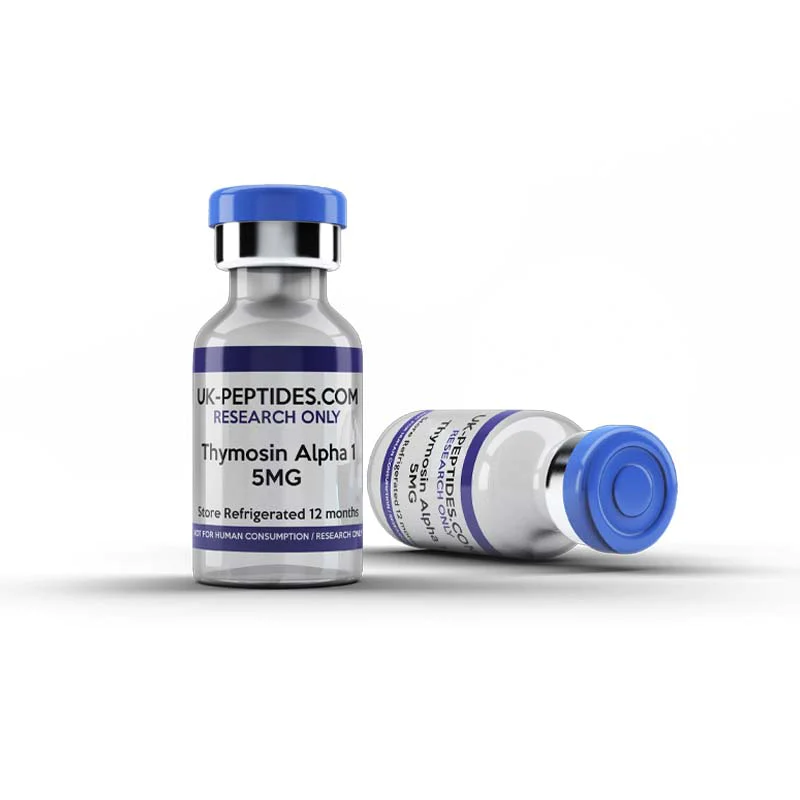
Thymosin Alpha-1 is a naturally occurring immune-modulating peptide that has been widely studied for its role in supporting T-cell function, immune balance, and overall resilience. It is often used in discussions about chronic infections, immune recovery, inflammation control, and immune system support.
What Is Thymosin Alpha-1?
Thymosin Alpha-1, often written as TA-1, is a thymus-derived peptide that helps regulate the immune system rather than simply overstimulating it. It is known for supporting immune signaling, helping the body respond to infection, and promoting a healthier balance between overactive and underactive immune responses.
This peptide has attracted attention because it works at the level of immune modulation. That means it may help strengthen weak immune activity while also calming excessive inflammatory activity, making it relevant in both immune-deficient and inflammatory states.
How It Works
Thymosin Alpha-1 is associated with improved T-cell maturation, increased natural killer cell activity, and better dendritic cell function. These immune cells play important roles in detecting pathogens, coordinating immune responses, and clearing abnormal cells.
Research also suggests that TA-1 may help balance cytokine production, which is important because cytokines control inflammation and immune communication. This dual balancing effect is one reason it is so widely discussed in immune health content.
Why It Matters
Thymosin Alpha-1 is often researched for chronic viral infections, immune dysfunction, autoimmune-related support, and general immune resilience. It is also discussed in oncology-related settings because of its possible value as an immune-supportive adjunct during treatment.
People often search for TA-1 because they want a peptide that supports immunity without the “one-direction” push of a simple stimulant. Instead, thymosin alpha-1 is described as a regulator that helps the immune system work more efficiently and more appropriately.
Potential Benefits
Commonly mentioned benefits include:
-
Support for T-cell function.
-
Improved immune balance.
-
Better antiviral and infection response.
-
Reduced inflammatory overactivity.
-
Support during immune stress or recovery.
Reviews
There are no reviews yet.